
TLC, QLC and High-Capacity Enterprise SSDs: How Data Center Storage Is Changing
Evaluate TLC, QLC and HDD roles through write patterns, data temperature, recovery requirements and total cost.
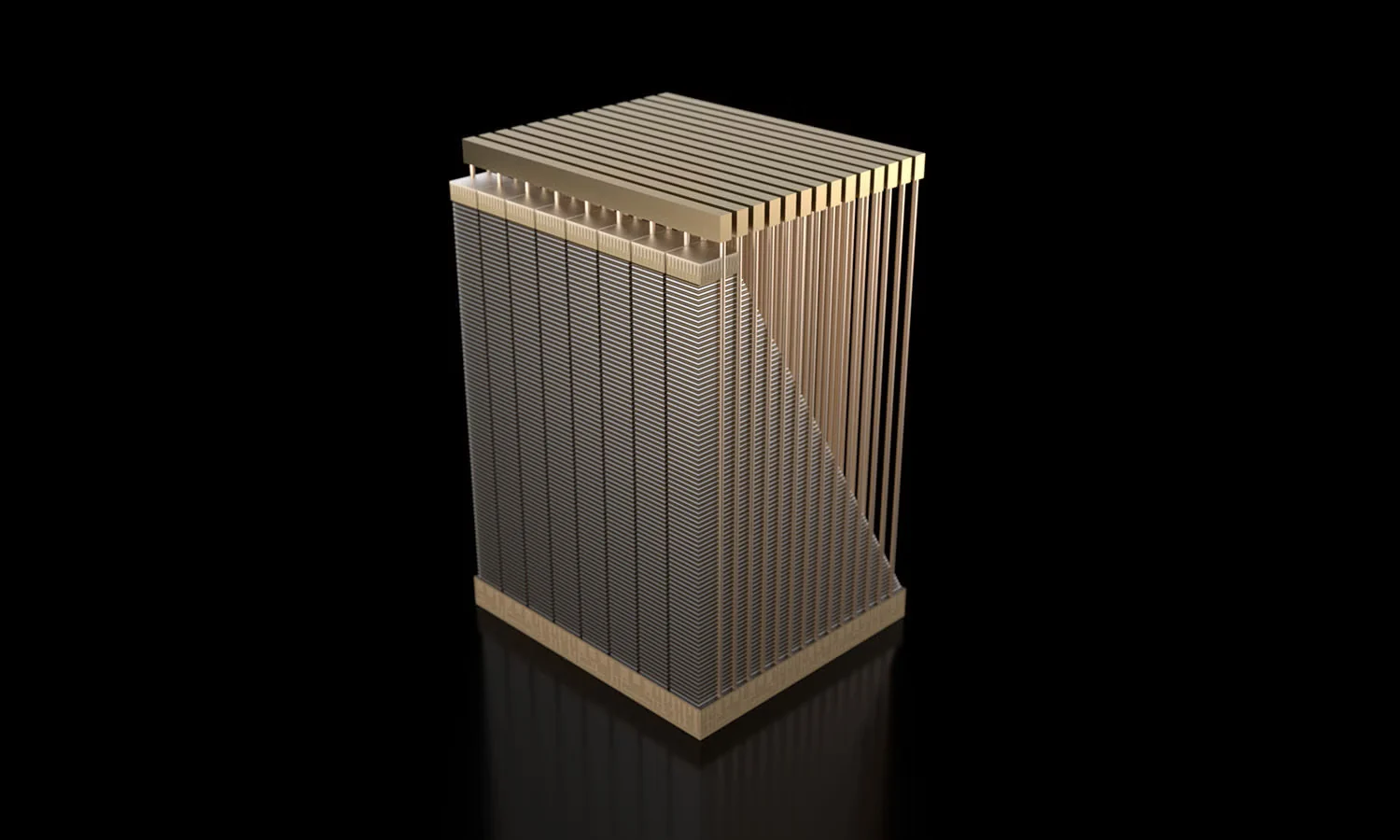
Read often, rewrite rarely: a different storage problem
A repeatedly reused training dataset and a continuously rewritten database log can have similar capacities yet call for different drives. The first needs timely delivery; the second must also sustain long-term writes. This is where the TLC–QLC distinction becomes useful, rather than starting with price per terabyte.
Tiering separates read, rewrite and recovery requirements. Labels such as hot and cold are only shorthand. In particular, an AI dataset’s average read behavior should not hide the concentrated writes of its checkpoints.
TLC and QLC need workload-level comparison
TLC and QLC store three and four bits per cell respectively, but cell density alone does not determine the endurance of an enterprise SSD. Controller behavior, spare area, firmware and write patterns also matter. Read-intensive workloads need read-latency measurements during background activity. Write-intensive workloads require sustained-write testing and a careful review of endurance and warranty conditions.
Density brings concentration as well as efficiency
The 245.76TB usable-capacity option in Micron 6600 ION makes the amount of data moved after a drive failure a concrete design concern. Fewer devices can reduce the bay count for a dataset, but also concentrate more data in each failure unit.
During a rebuild, the remaining devices must serve ordinary requests as well as recovery traffic. Greater concentration makes healthy-state throughput an incomplete measure. Replication or erasure-coding overhead, spare capacity and maintenance windows belong in the application-capacity plan.
HDD, cold data and warm data
Cold does not mean never read, and warm is not a fixed access frequency. Define tiers against recovery and retrieval requirements. HDDs can remain part of capacity-oriented designs, while SSDs can serve latency-sensitive random access or repeatedly reused datasets. If an archive suddenly becomes a training source, migration time may matter more than its original media-price advantage. Tiering policies need to evolve with the workload.
What belongs in the TCO model
Include power, cooling, bays, maintenance and replacements alongside acquisition cost. Account for application waiting and recovery periods as well. Compare designs using the same retention period, protection policy and service targets. Vendor rack-density or energy examples depend on assumptions and cannot be transferred directly into a universal savings percentage.
Test representative datasets under normal reads, write bursts and rebuild conditions, paying attention to tail latency. This exposes behavior that averages can hide. The resulting design may combine media rather than treating TLC, QLC or HDD as a choice that must be identical throughout the environment.
Related research
Sources / References
Research reviewed on 2026-09-07. Product references are for technical analysis, not a supply commitment. Deployment depends on the exact system and software configuration.